NAMI
Learn more about this important mental health organization and the funds you helped to donate!

This is part of a series, sharing the self-authored book, “The Hard Way: Honest Conversations about mental health in our homes, churches and communities,” which is introduced in this free post as well as this one.
At the end of February, I went to the account where many of you have donated to read the paid posts in this series on my Substack. Thanks again for supporting my writing in this unique way!
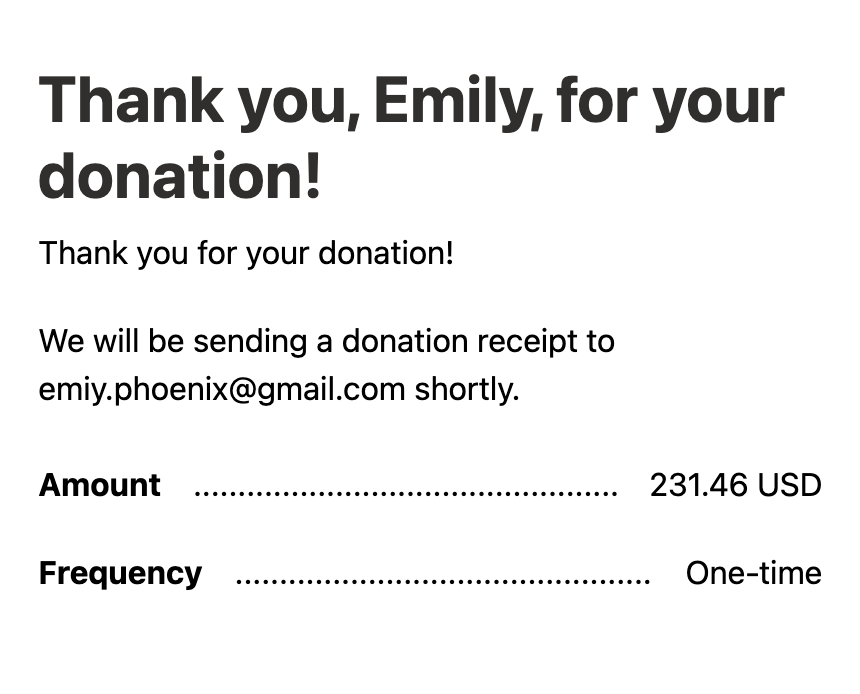
As promised, the funds available thus far have been donated in support of the National Alliance for Mental Illness (NAMI)!
“Dear Emily,
Thank you so much for supporting NAMI! Your gift allows us to keep the NAMI HelpLine open, advocate for common sense policy solutions and provide support and resources for individuals with mental illnesses and their families.”
I’ve started to explore this website myself, and there is so much good information, resources and ways to educate ourselves in this important field of work!
Next week we will dive into Part II: What no one prepares you for, which is an intimate portrait of what’s really going behind the scenes in a season of mental struggle. You will get a better understanding that those involved can still be pretty high functioning and why its hard to ask for help.
Here’s an excerpt from the next chapter titled, “Spiral Downward”
I fell in love with someone who loves to help people. We bonded through our shared desire to help others.
I married an ambitious person. Jack has always had grand goals, some he has accomplished and others that have become hard lessons.
Jack has dreams to make a positive difference through his career. There were many paths he could take to get there, but he chose one which required great risk and high expectations.
When we moved to the East Coast, law school was the primary focus. It took a couple of years to get to that point, but in Fall of 2015, he had enrolled in a program he was excited to pursue.
But there was more to this journey than just a graduate degree. There was an opportunity to pursue a post bachelor’s degree program and be in school full time so that he could progress to his career goals.
While my job as a church professional doesn’t leave a lot of extra money, we decided to take the risk of living on one income for the four years of schooling it would require for Jack to graduate and enter his career field. It was a sacrifice we were both willing to make, even though we knew the risk was great and the journey would be tough.